Introduction
Online communication has changed dramatically. Instead of long text replies, people now express emotions using visuals. One of the most common tools used today is reaction images.
Reaction images are pictures used to respond to a message, situation, or joke. Instead of typing how you feel, you show it instantly through an expressive image.
They are widely used in:
- Social media comments
- Group chats
- Online communities
- Forums
- Memes and discussions
Today, reaction images have become a language of their own on the internet.
What Are Reaction Images?
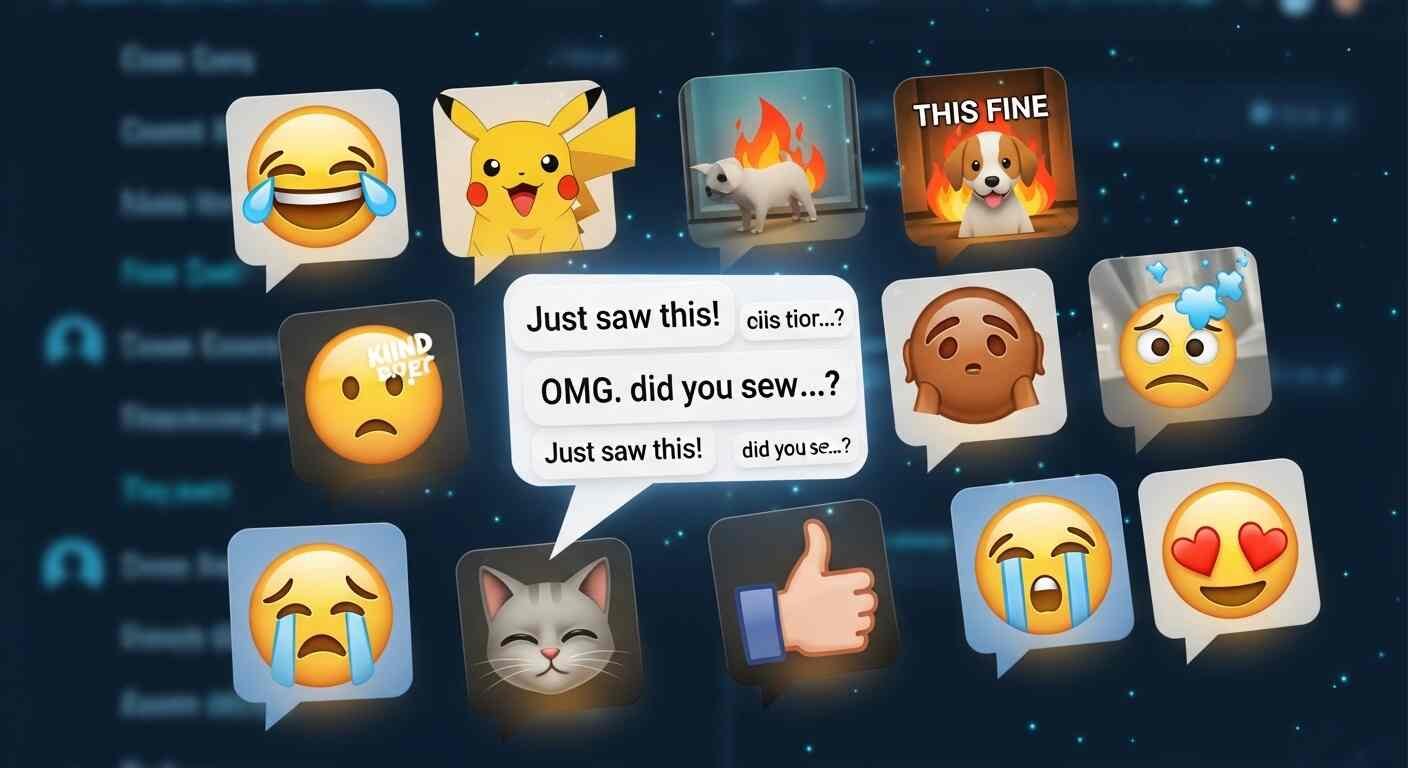
Reaction images are pictures showing a clear emotional expression meant to reply to a conversation.
They usually communicate feelings like:
- Shock
- Happiness
- Confusion
- Sarcasm
- Embarrassment
- Anger
Instead of writing a paragraph, one image delivers the message instantly.
For example, a surprised face image may mean “I can’t believe this” without typing a single word.
Images of Reaction in Digital Communication
Why People Prefer Images Over Words
Typing takes time and may be misunderstood. Images solve both problems.
Images of reaction are popular because they:
- Convey emotion quickly
- Reduce misunderstandings
- Add humor
- Make conversations engaging
Visual communication is faster for the human brain than text. That’s why reaction images spread rapidly online.
The Rise of TikTok Reaction Images
Social media platforms increased the popularity of reaction visuals. One of the biggest contributors is TikTok.
TikTok Reaction Images Explained
TikTok reaction images are screenshots or memes taken from short videos and reused in conversations.
They often feature:
- Dramatic facial expressions
- Unexpected reactions
- Relatable emotions
Users save frames from videos and share them as replies in comments or chats.
These images become viral because millions of people recognize the emotion instantly.
Korean Reaction Images Popularity
Why Korean Reaction Images Became Viral
Korean reaction images are extremely popular across the internet. They usually come from:
- Variety shows
- Dramas
- Celebrity interviews
These images work well because expressions are exaggerated and expressive, making emotions easy to understand even without language.
People use them to react to situations like:
- Awkward moments
- Embarrassing situations
- Unexpected news
Their universality makes them perfect for global internet culture.
Me Reaction Image Meaning
What Is a Me Reaction Image?
A me reaction image is used when a person relates strongly to something.
Example usage:
Someone posts: “I stayed awake until 5am watching videos.”
Reply: a tired person image meaning “That’s me.”
It shows personal identification with a situation.
These are extremely common in relatable humor content.
Who Me Reaction Image Explained
Who Me Reaction Image Usage
The who me reaction image expresses fake innocence or playful denial.
It usually features a person acting surprised when accused of something obvious.
Common meaning:
“I definitely did that but I’m pretending I didn’t.”
People use it in friendly teasing conversations.
Would Reaction Image Meaning
Would Reaction Image Internet Slang
A would reaction image is used humorously to express attraction or admiration toward someone.
The phrase “would” is short for “I would date them.”
These images are often posted as jokes rather than serious statements and are part of meme culture humor.
Emotional Categories of Reaction Images
Reaction images generally fall into emotional groups.
Happy Reactions
Used for good news or funny content.
Confused Reactions
Used when something makes no sense.
Shocked Reactions
Used for surprising announcements.
Embarrassed Reactions
Used after awkward situations.
Sarcastic Reactions
Used to mock or joke politely.
Why Reaction Images Became Internet Language
Reaction images replaced many written expressions because they:
- Save time
- Add humor
- Improve clarity
- Increase engagement
People across different languages understand facial expressions, making them universal communication tools.
Reaction Images vs Emojis
| Feature | Reaction Images | Emojis |
| Detail | High emotion | Basic emotion |
| Humor | Strong | Limited |
| Context | Specific | General |
| Popularity | Viral content | Everyday messaging |
Reaction images feel more human because they show real expressions rather than icons.
How Reaction Images Spread Online
Reaction images usually follow this pattern:
- A moment appears in a video or show
- Someone screenshots it
- It becomes a meme
- Users reuse it in different contexts
This cycle repeats until the image becomes part of internet culture.
Role of Reaction Images in Online Humor
Memes depend heavily on reaction visuals. They help create:
- Relatable jokes
- Shared experiences
- Community culture
People often remember a reaction image more than the original post.
Reaction Images in Group Chats
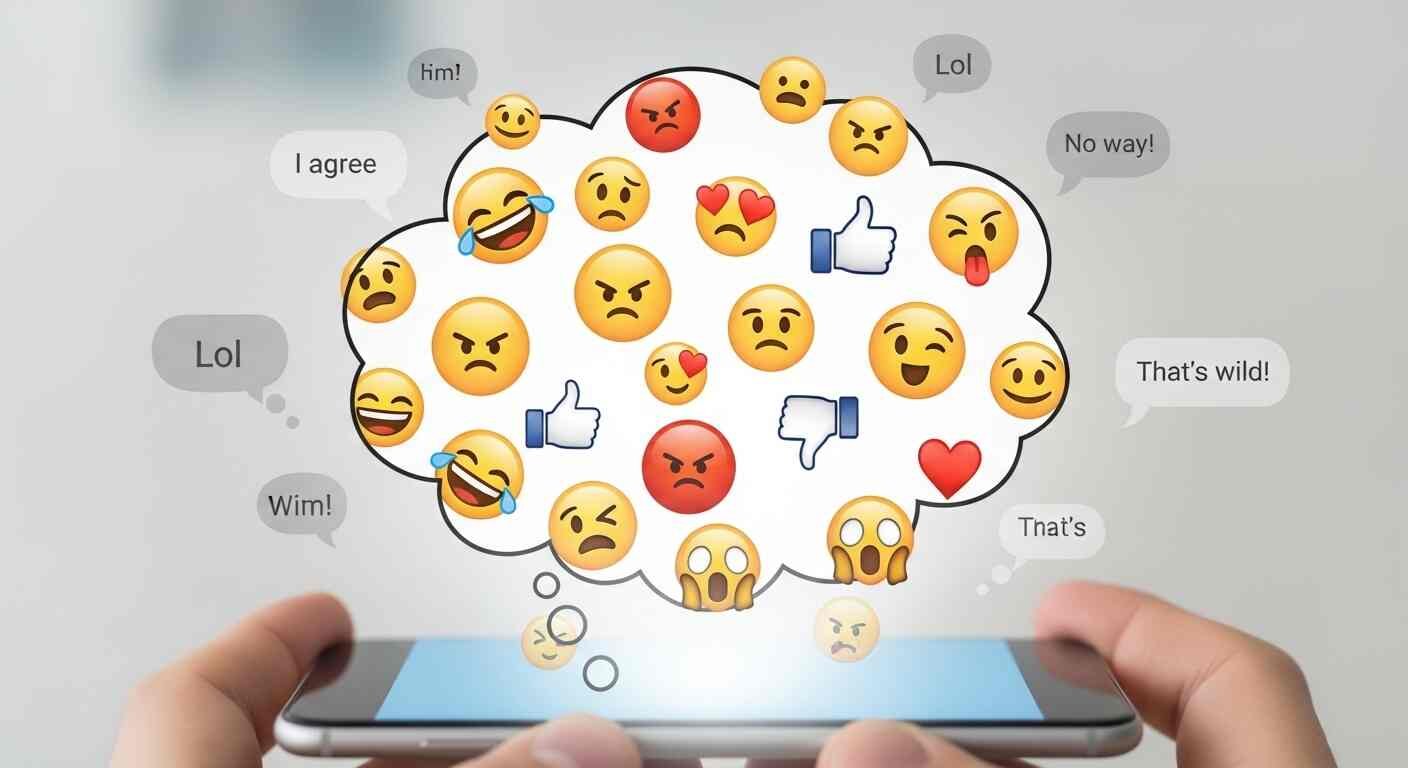
Group chats use reaction images frequently because they:
- Reduce typing effort
- Add personality
- Keep conversations fun
Instead of replying “okay,” a simple expression image makes the conversation lively.
Psychological Reason Behind Reaction Images
Humans naturally understand facial expressions quickly.
The brain processes images faster than text, which explains why reaction visuals dominate online communication.
They trigger emotional recognition instantly.
Future of Reaction Images
As communication becomes more visual, reaction images will grow even more popular.
With video and AI content increasing, new expressions appear daily and turn into viral reactions.
The internet is slowly moving toward visual language instead of written language.
Conclusion:
Reaction images are more than jokes — they are a modern communication method. They allow people to express emotions instantly without long explanations.
To summarize:
- Korean reaction images dominate global meme culture
- TikTok reaction images spread trends rapidly
- Me reaction image shows relatability
- Who me reaction image expresses playful denial
- Would reaction image represents humorous admiration
From casual chats to viral memes, reaction images have become a universal language of the internet.
As online communication evolves, reaction images will continue shaping how people interact, joke, and express emotions in the digital world.