Introduction
If you play online multiplayer games, stream content, or create videos, sound quality is just as important as graphics.
Teammates need clear communication, viewers want clean audio, and your voice should sound natural without noise or echo.
That is where a gaming microphone becomes essential. Many gamers rely on headset microphones, but they often produce muffled or distorted audio.
A dedicated microphone for gaming dramatically improves clarity, reduces background noise, and makes your setup look more professional.
This guide explains everything you need to know — from what is a good microphone for gaming to what is the best microphone for gaming in different budgets.
What Is a Gaming Microphone?
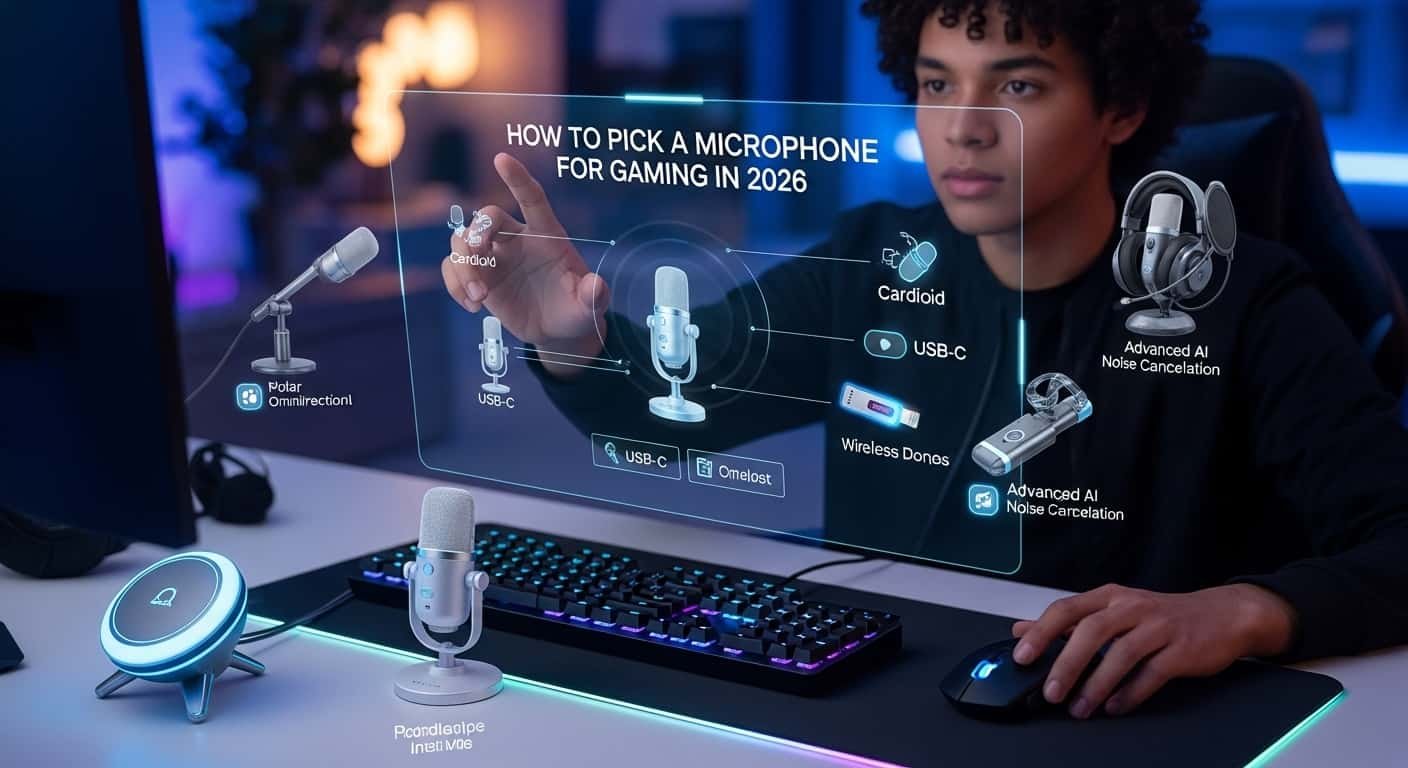
A gaming microphone is a standalone microphone designed to capture clear voice audio while reducing background noise like keyboard clicks, fans, or room echo.
Unlike built-in headset mics, a microphone for gaming focuses on:
- Voice clarity
- Noise rejection
- Streaming quality sound
- Comfortable communication
Gamers, streamers, YouTubers, and podcasters all use them.
Microphone for Gaming vs Headset Mic
Headset Microphone
- Convenient
- Cheap
- Portable
- Lower sound quality
Dedicated Gaming Microphone
- Professional voice quality
- Less background noise
- Better for streaming
- Upgradeable setup
If you play competitive games, teammates will instantly notice the difference.
Types of Gaming Microphones
Before asking what is the best gaming microphone, you must understand microphone types.
1. USB Gaming Microphone
The easiest choice for beginners.
Features
- Plug and play
- No audio interface required
- Affordable
- Perfect for casual gaming
Great for players who want a simple microphone for gaming.
2. XLR Gaming Microphone
Used by professional streamers.
Features
- Requires audio interface or mixer
- Higher sound quality
- More control over audio
- Upgradeable
If you want studio-level sound, this is usually what is the best microphone for gaming setups.
Microphone Pickup Patterns Explained
When choosing a gaming microphone, pickup pattern matters more than price.
Cardioid (Best for Gaming)
Captures sound from the front only
Reduces keyboard noise
Most recommended microphone for gaming
Omnidirectional
Captures sound from all directions
Bad for noisy rooms
Bidirectional
Front and back capture
Used for interviews
For gaming, cardioid pattern is always preferred.
What Is a Good Microphone for Gaming?
A good microphone for gaming should meet these requirements:
1. Clear Voice Capture
Your teammates should hear every word without distortion.
2. Noise Reduction
It must ignore background noise like:
- Fans
- Keyboard clicks
- Room echo
3. Low Latency Monitoring
You should hear your own voice instantly without delay.
4. Easy Setup
Especially important for beginners.
5. Durable Build
Metal body lasts longer than plastic.
If a microphone meets these points, it qualifies as a good microphone for gaming.
What Is the Best Microphone for Gaming?
Instead of chasing brand names, focus on features.
Sound Quality
Look for 24-bit or 48kHz recording quality.
Pop Filter
Reduces harsh “P” and “S” sounds.
Shock Mount
Prevents vibration from desk movement.
Gain Control
Adjusts microphone sensitivity easily.
Mute Button
Essential for quick privacy during gaming sessions.
The best gaming microphone always includes at least 3 of these features.
USB vs XLR: What Is the Best Gaming Microphone Option?
USB — Best for Beginners
- Affordable
- Simple
- No equipment needed
XLR — Best for Professionals
- Cleaner sound
- Expandable setup
- Studio-quality audio
Conclusion:
Casual gamers → USB
Streamers/content creators → XLR
Ideal Placement for a Microphone for Gaming
Even the best microphone for gaming sounds bad if placed incorrectly.
Correct Position
- 6 to 10 inches from mouth
- Slightly off to the side
- Not directly in front of keyboard
Avoid
- Behind monitor
- Too close to mouth
- Too far away
Placement improves audio more than expensive upgrades.
Accessories That Improve a Gaming Microphone
You do not always need a new mic — sometimes accessories help.
Boom Arm
Reduces desk vibrations and improves comfort
Pop Filter
Improves vocal clarity
Foam Windshield
Reduces breathing sounds
Acoustic Panels
Improves room sound quality
A basic microphone for gaming with good accessories can outperform an expensive one.
Common Mistakes When Buying a Gaming Microphone
Many gamers waste money because of these errors:
Buying the Most Expensive Option
Price does not equal quality in untreated rooms.
Ignoring Room Noise
Even the best gaming microphone cannot fix a noisy room.
Speaking Too Far Away
Distance causes echo and low volume.
Using Omnidirectional Mode
Captures unwanted sounds.
Avoid these and your audio improves instantly.
Budget Guide: Choosing the Right Gaming Microphone
Entry Level
Perfect for voice chat and casual gaming
Mid Range
Good for streaming and recording
Professional
Content creators and serious streamers
The best microphone for gaming depends on how you use it — not just how much you spend.
How a Gaming Microphone Improves Multiplayer Gaming
Clear communication provides real advantages:
- Faster team coordination
- Better strategy calls
- Fewer misunderstandings
- Professional streaming presence
In competitive games, audio clarity can be as important as reaction time.
Maintenance Tips for a Gaming Microphone
To keep your microphone for gaming working perfectly:
- Do not tap the mic
- Clean pop filter weekly
- Avoid moisture
- Store covered when not in use
- Lower gain instead of shouting
Proper care extends microphone lifespan for years.
Conclusion:
A gaming microphone is one of the best upgrades you can make to your setup. Whether you want better team communication or professional streaming audio, choosing correctly makes a huge difference.
Remember:
- USB is great for beginners
- XLR is best for professionals
- Cardioid pattern is ideal
- Placement matters more than price
So when asking what is a good microphone for gaming, focus on clarity and noise reduction.
And when deciding what is the best gaming microphone, choose the one that fits your environment, budget, and goals — not just popularity.
Invest once, set it up properly, and your voice will sound clear, confident, and professional every time you play.